Animal testing: cannot be conducted, must be forbidden
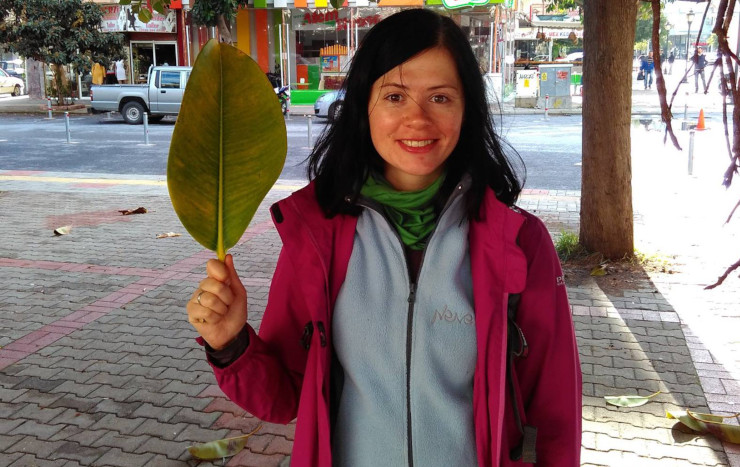
Molecular biologist Anna Muha, working in Dresden (Germany) in the field of cancer research, in particular radiotherapy for oncological diseases.
"In our research we work with laboratory mice and, less often, rats. Before any anticancer drug enters the first stage of clinical trials (on volunteer patients), its effectiveness and safety must be tested on animals.
In the field of radiation research in oncology, it is very important to study how normal tissues respond to radiotherapy. The tumor treated with radiation is inside the patient’s body, and the ray, in order to reach the tumor itself, must pass through normal, non-tumor tissues of the patient. Obviously, these tissues suffer from it, as do the patients. At present, this can be studied only on animals."
First, it should be noted that in the EU there exists a Federation (FELASA) that is responsible for developing and implementing normative documents that strictly regulate the procedures and rules for working with animals. The main principles underlying all these documents are called <<3R>>: Reduction, Replacement, Refinement. The rule of Reduction says that before conducting an experiment on animals, the researcher must be sure that this experiment is absolutely necessary and that there are no methods that could replace it. For example, if a researcher needs to obtain very approximate data on the toxicity of a drug for cancer cells, it is not necessary to inject it into a mouse right away — such data can be obtained in cell cultures and other cellular models in vitro. And if one needs to determine whether a substance or a mutation in a particular gene causes the development of skin tumors, then animal work is inevitable.
The rule of Replacement provides for the use of any other research methods that can replace animal models at this stage of the study. And finally, the rule of Refinement, or humane treatment, in preparing and conducting the experiment — this refers to using the least traumatic methods, minimizing harm and pain, using analgesics and sedatives.
Oxana Palchevskaya, PhD, employee of the International Institute of Molecular and Cellular Biology in Warsaw, adds:
"Unlike numerous zoos or even sometimes domestic animals, test animals are always cared for, fed, and their comfort is taken care of. This is important for the success and interpretation of the results of the experiments themselves. Animals involved in non-harmful experiments and in control groups are not killed; they live out their lives, sometimes may be reused or donated for adoption. In Poland there is a special system of courses and activities under the aegis of polLASA. To be allowed to work with animals, a researcher must go through seven circles of Dante's hell."

"In Ukraine there really is a problem with proper housing of test animals. For example, an adult mouse (25–30 g) should have at least 80 cm2 for each animal. There should also be hiding shelters in each cage... But this is a matter of complying with these proper conditions, not the matter of animal testing itself."
Oksana Palchevskaya herself for a while studied mutations that regulate the functioning of cardiomyocytes. These studies were conducted using genome-modified mice. But, according to her, there are already studies in the world that are conducted on cultured reprogrammed cardiomyocytes. Some stages of drug testing can indeed be conducted on them.
Another rapidly developing area is modern embryology and technologies of artificial fertilization. They are possible only thanks to the initial work with animals. The first studies of Robert Edwards, who received the Nobel Prize for developing artificial fertilization technology, were devoted to embryonic development in mice. Thanks to these studies, the first child conceived in a test tube is already 41 years old, and there are about 8 million such children in the world.
Clinical embryologist Olga Malyuta, who is directly involved in the appearance of dozens of test-tube children in Ukraine, notes:
"Today every nutrient medium in which human embryos are cultured, every reagent, all laboratory equipment and every instrument are tested for safety specifically on mouse embryos. Finding an alternative for such testing will not be possible for quite some time. And whether such <

Other models are also used; for example, a method of genetic analysis of embryos before implantation into the patient’s uterus was developed and tested on rabbits to select only genetically healthy embryos.
And there are studies whose initial stages can be conducted only on embryos of higher primates due to significant differences in the maturation processes of oocytes in humans and mice.
Working with donor eggs and donor embryos is an incredible luxury because it raises even more ethical questions and the cost of research is disproportionately high.
The principles of working with animals in embryology include, of course, painless collection of eggs and surgical procedures.
Dmytro Isaiev, PhD, employee of the Bogomolets National Academy of Sciences Institute of Physiology, worked with a large number of animal models. He has dealt with epilepsy models in rodents for about 15 years. This is very close to what happens in humans during these disorders. And modeling an epileptic seizure in a cell culture is ineffective.
Together with colleagues, they studied the effect of neuraminidase (an enzyme that cuts sialic acids, which are abundant on the membranes of neurons of mammals, including humans) on the probability of seizures. The action of the well-known drug Tamiflu is to block the viral neuraminidase that they produce to enter the cell. Meanwhile, these studies in rats showed that a decrease in neuraminidase increases the probability of epileptic seizures. It is known that Tamiflu hardly blocks human neuraminidase, only viral, and is considered safe. However, one of Tamiflu’s side effects is epileptic seizures. The cause of this was unknown. Some people have a mutation in the gene encoding neuraminidase, and their enzyme is similar to the viral one. Studies in rats allowed to determine the mechanism of neuraminidase and its blockers on the activity of the nervous network and the pro-epileptic mechanism of the blockers of this compound. Without animal experiments this would have been impossible.

"New drugs and treatment methods still have to be tested on something. If not on animals, then they must be tested on humans. Or close all biomedical institutions and live with the knowledge we have now. People who call for banning animal testing have a big heart but sometimes little sense. Animal protection organizations from science, known for their criminal reputation worldwide, hundreds of activists of animal rights are under international search and are accused by the Federal Bureau of Investigation of terrorism-related activities. Supporting organizations that insist on banning animal testing, perhaps you sponsor terrorism. Consider this."
PhD, employee of the O. V. Palladin Institute of Biochemistry of the NAS of Ukraine Kyrylo Pyrshev has long been involved in working in teams where animals are the basis for research, notably in the group of the well-known professor Yang Xia from The University of Texas Health Science Center at Houston McGovern Medical School, Department of Biochemistry and Molecular Biology. This group of researchers works on studies related to preeclampsia, sickle cell disease, cardiovascular diseases, sepsis, hypoxia, signaling disorders of specific molecules. Thanks to these studies, today the mechanisms underlying these disorders are precisely studied and new approaches to overcoming a range of pathological states have been proposed. 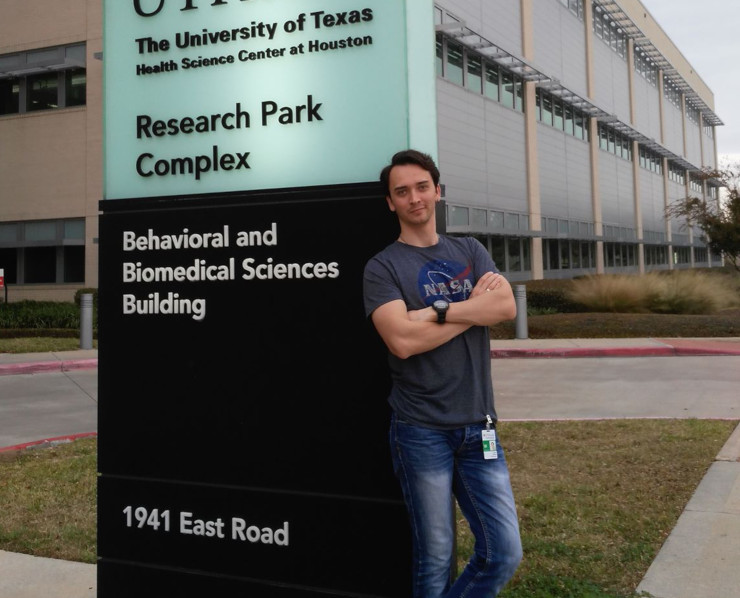
"I love animals very much (as do most scientists), so working with animals is not some 'call of the ancestors' but a necessity for the effective survival of humanity."
There indeed exists an incredible number of approaches and experimental models today that allow significantly reduce animal involvement. Most often, in vitro models include cell cultures, numerous biochemical and molecular methods — to study individual links of signaling reactions, the structural organization of macromolecules and supra-molecular complexes. Among more complex systems, organoids are worth noting, which are a simplified three-dimensional model of an organ. A separate powerful direction is in silico research, or computer modeling.
However, none of these methods can replace animals and all have their limitations. For example, computer modeling expands the possibilities for screening compounds and predicting molecular properties. But to verify final results, animal experiments are needed.
Organoids are not full-fledged models of organs, as they lack many of their features and involvement in complex biochemical interactions as in a living organism. They are not informative for studying potential effects of new drugs on cognitive functions and for studying systemic diseases.
And regarding the popular question about testing cosmetics, given the data above, cosmetics cannot be 100% safe without proper testing on animals. This is possible only under the condition of using already well-known components that have been studied on the same animals, but earlier. In all other cases, when innovative involvement is discussed, these tests are necessary.
Andrii Chernyinsky, PhD, employee of the O. O. Bogomolets National Academy of Sciences Institute of Physiology, draws our attention to the fact that working with any "non-animal" models still involves animal involvement, albeit in smaller numbers and indirectly.
Yes, for environments in which cell cultures are grown, animal-derived components are required (note from Anna Muha: one such component is FBS (fetal bovine serum), or serum from unborn calves). And in fact, these same cell cultures are obtained primarily from animals.
The ambitious task of two global neuroscience projects now underway in the EU and the USA is to build a mathematical model of the human brain. This could allow, for example, to simulate the effects of various compounds, the actions of which at the molecular or cellular level we already know. Less promising options can be discarded, thereby avoiding corresponding experiments with laboratory animals. However, for such a system to function more or less stably, large volumes of experimental data are needed — again, obtained from experiments on animals.
Open data repositories of raw data are currently popular, where researchers can upload obtained results, and anyone else can use them for their own research. This allows avoiding repeating experiments and saving the number of animals used.

"Calls for a complete ban on animal testing are equivalent to calls to completely stop the development of medicine."
"I can describe my experience of working at the University of Zurich (Switzerland). All units working with animals obtain and regularly renew licenses for conducting experiments. All information about animals is stored in a specialized system. Each animal has an implanted chip from which you can read its identifier, determine where it came from, its features (for example, genetic modifications), which researcher conducts which experiments with it. The most minute conditions of keeping animals are regulated. For example, mice in cages must have paper or cardboard — from which they create comfortable nests. Since these animals are social, they should be kept in groups. Some experiments require solitary housing (for example, in the postoperative period to prevent injuries to each other), but this stresses the animals. The system tracks such nuances, and the responsible scientist receives a request asking whether there is a need to continue keeping animals in solitary conditions."
In addition to housing, there are instructions for performing surgical operations and the actual experimental procedures. Ultimately, leading journals will not accept for publication results obtained in violation of ethical norms, no matter how interesting they are."
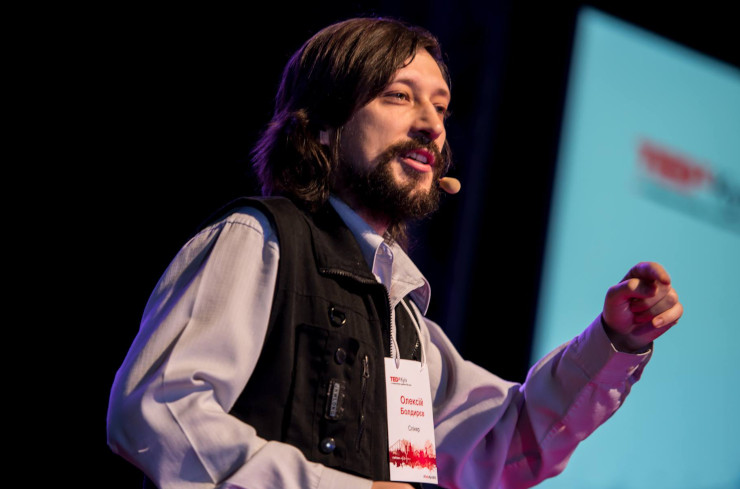
PhD, employee of the O.O. Bogomolets National Academy of Sciences Institute of Physiology, Oleksiy Boldyriev, draws attention to an even more “unexpected” issue for some animal-rights activists — the development of drugs specifically for veterinary use: veterinarians in zoos, shelters for wild animals, in ordinary clinics for cats/dogs/turtles must treat their own vertebrate patients. Knowledge about medicines for pets does not fall from the sky. These medicines need to be tested on… animals. Therefore, to cure your beloved cat, drugs that have necessarily passed testing on other cats are required.
As for bipedal patients, for example, systemic complications of diabetes affecting the heart, bladder, nervous system, which Oleksiy and colleagues study, can be studied either with genetically modified rats in which diabetes is inherited, or by injections of toxic substances that cause disruptions in glucose regulation in the blood. Diabetes is now one of the most common diseases, and millions of patients await effective and safe treatment.
"My dissertation was devoted to studying the mechanisms of onset of one type of epilepsy — absence epilepsy, which is characteristic mostly for children. For this, we used the WAG/Rij rat line, in which symptoms similar to the human disease are congenital, i.e., genetically inherited. Such studies are crucial for creating new safe medicines against this type of epilepsy."
"Animal rights protection is evidence of humane society, so I fully support banning dolphins shows, imposing responsibility for cruel treatment of domestic animals, and limiting the fur business. At the same time, I call for caution."
"On the one hand, animal rights protection is uneven: we all suffer from the so-called <
Another aspect is humane treatment itself. Recalling animal rights, let us not forget the prior, no less important stage of our evolution — human rights. Killing all people who harmed an animal is not the way."
"It should be remembered that in nature animal life is not sugar. An animal is constantly threatened by predators, parasites, hunger, diseases, unfavorable climate. Of hundreds of offspring, only a few reach reproductive age. For example, rabbit studies in the United Kingdom showed that the average life span from birth to death is only 49 days, less than 2 months! Meanwhile, animals in laboratories face almost no threats and usually live much longer than their wild brothers and sisters. I recommend everyone read Gerald Durrell’s books, where he discusses in detail and with humor this difficult dilemma of survival and death of animals in nature and captivity."
Oleksandr Skorokhod, PhD, a researcher at the Institute of Molecular Biology and Genetics of the NAS of Ukraine, studies signaling pathways involved in cell growth, protein synthesis, and oncogenesis. In his work, he uses a wide range of methods, including molecular biology (PCR, real-time PCR, cloning of proteins), biochemical (kinase assays), cytogenetic (confocal microscopy, work with cell cultures), bioinformatics, as well as animal experiments. In particular, with the help of hybridoma technology, researchers obtain monoclonal antibodies. This process occurs during months of experiments with laboratory mice.
Obtaining such antibodies opens up broad research opportunities. For fundamental science — studying the functions of individual proteins (which can be studied in vitro — on cell cultures). For applied science, medicine — diagnosis of blood diseases and treatment of oncological, rheumatic, and some neurological diseases. In addition, these antibodies are used in transplantation — to prevent graft rejection.

"We could skip this part of our work with animals and wait for commercial monoclonal antibodies (or order them). However, we must understand that these antibodies will be obtained by the same hybridoma technology but by firms that specialize in this. This is also — the killing of animals on a commercial scale, but not by us — we would only pay money and buy some antibodies for research. Moreover, with this option we also lose time."
Kateryna Uspenska, PhD, a researcher at the O. O. Palladin Institute of Biochemistry of the NAS of Ukraine, studies the role of receptors (nicotinic acetylcholine receptors) in neuroinflammation and cellular regeneration.

"You cannot do without animals in behavioral tests. However, I believe that there is no need to test what has already been tested.
We should replace animals with cells everywhere possible, and only verify final results on animals."
Ms. Kateryna adds that animals in vivaria have constant access to fresh water and food, which in the wild is not as common. Mice can live for months without any intervention, which is not possible in the wild at all. Domestic rodents are often kept singly. And animal lovers often have no idea that for rats and mice this is stress — they are social and need to live in small groups.
And finally.
Why do many people think that scientists love conducting experiments on animals and enjoy causing animals suffering?
But conducting animal experiments is not about whims and luxuries, like fur production, or entertainment such as dolphinariums or circuses, and not just about dietary preferences as in farming where animals also do not always have it sweet. Justified involvement of animals in scientific research using modern protocols is an opportunity for scientific progress and for obtaining effective and safe medicines for each of us and our loved ones.