Coronavirus: What’s next?
Who is COVID-2019?
The new coronavirus, COVID-2019, like most of our infectious diseases, originates from the animal world. Coronaviruses persist constantly in animal populations and can be transmitted (and are transmitted) to humans.
To date, it is known that several coronaviruses cause respiratory diseases in humans. But because of the comparatively modest epidemiological threat, they are known mainly to virologists who study them directly.
But there are exceptions. These became SARS (2002-2003, China, ~8 thousand cases, ~10% died, source — civets — animals similar to cats) and MERS (2012, mainly Saudi Arabia, ~2.5 thousand cases, ~35% died, source — camels).
Obviously, COVID-2019 will become the third high-profile coronavirus, which, fortunately, does not have such deadly mortality rates, but has already claimed more lives than its predecessors, having spread widely around the world. Within two months of the virus spreading, we have more than 80 thousand registered infections, more than 2.8 thousand deaths, and also more than 33 thousand recoveries.
By the end of February, the fatality rate is estimated at about 2%.
It should be noted that among fatal cases, significantly predominate older patients and those with accompanying chronic diseases — cardiovascular diseases, diabetes, and so on.
Incubation period , according to official data, lasts up to two weeks, on average 3-5 days. However there are isolated cases that seemingly indicate a much longer time — up to 27 days. However, there is currently no basis to claim this and to extend quarantine measures longer: specialists assume that this artifact possibly occurred due to repeated contact with a potential carrier.
What are the symptoms?
The main symptoms are fever, fatigue, dry cough. In some patients, you may experience sore throat, nasal congestion, or diarrhea.
At the same time, some people become infected and feel completely fine, showing no symptoms.
In more than 80% of patients the disease runs easily, and this, of course, is reassuring. However, it is likely that this fact further aids the spread of the virus, as people may simply carry the disease on their feet.
How is the virus transmitted?
According to data from the CDC, the virus is transmitted mainly from person to person through close contact (1-2 meters). It is important to understand that, like other respiratory diseases, this virus can also spread through surfaces and hands. We are used to touching our face often, if we have discomfort in the nose, we do this more frequently. We also constantly touch other objects and surfaces around us. Accordingly, the probability of getting sick increases quite a lot if you touch your face with unwashed hands, especially the mouth, nose, and eyes.
Where did COVID-2019 come from?
Despite various conspiracy theories, fueled also by the fact that there is indeed a fourth-level biosafety laboratory in Wuhan, there is no basis to claim deliberate or accidental creation and spread of the virus at the moment. Because, firstly, the history is not new; previous decisive coronaviruses also had animal origins: SARS — from civets, MERS from camels. Secondly, genetic analysis showed 96% similarity of COVID-2019 to viruses isolated from bats, and more than 99% similarity to viruses isolated from pangolins (animals resembling armadillos, and which were also traded at the market in Wuhan). Thirdly, sanitary conditions at the aforementioned wet market were far from good, and the spread of various infections under such circumstances is only a matter of time.
How to protect yourself?
Currently recommendations for preventing the spread of coronavirus are the same as for preventing any other respiratory diseases, such as avoiding contact with people with respiratory symptoms, washing hands thoroughly and often. Do not touch the nose, mouth, or eyes with unwashed hands. Despite the simplicity of these tips, they are truly relevant and effective.
If you have fever, cough, or difficulty breathing, you should definitely consult a doctor. If you have traveled to an area where the coronavirus has spread, or had contact with people who have recently arrived from there — be sure to inform your doctor about it.
Should we panic?
There is no reason to panic. Especially if you are not prone to panic, for example, because of influenza or tuberculosis, which kill hundreds of thousands to more than a million people worldwide each year.
Secondly, panic is very ineffective: it reduces productivity and seriously spoils mood. Third — under stress, the immune system suffers, and fourth — it can also reduce the level of critical thinking about the situation.
Under such conditions it is harder to identify fake news and more likely to become a victim of scams or unscrupulous marketing. Also, do not buy "cures for the coronavirus" or any means to "boost immunity."
What next?
It is now difficult to predict how the situation will develop, but there are already several versions.
One of them is the SARS scenario, which foresees the complete localization and defeat of the infection thanks to coordinated work of international health services. And indeed, they are trying very hard, but there is not much confidence in this, given the fairly widespread spread in many countries and the variable manifestation of symptoms, which allows many people to carry the infection on their feet and spread it further.
Another version — the flu scenario. It means that the virus will not disappear entirely, but will persist in the population, causing local outbreaks. Probably it will have a seasonal character, like other coronavirus infections, as well as influenza and acute respiratory infections.
After all, in the cold season we are more susceptible to respiratory viral infections, and viral particles can linger longer in the environment.
The third development option is the development of a vaccine and, accordingly, full control over this pathogen. It is likely that vaccination will be recommended primarily for older people and those with concomitant diseases — cardiovascular or diabetes. Active work is underway worldwide to create a vaccine, but it should be understood that this takes time, as besides developing it, a number of clinical trials must be conducted to ensure its safety and efficacy. Some vaccines take even decades to develop.
It is likely that the situation will clarify by the end of the current year, when we will see whether the virus will have a seasonal character, gather enough epidemiological data, and see the first results on the development of specific protective measures — vaccines and drugs.
What about Ukraine?
Ukraine currently faces a difficult situation both with medical care and, more likely, with informational tension. The situation with the coronavirus is somewhat inflated, here political manipulation and attempts to use this situation for “hype” are added. In the race for ratings, headlines and formulations of many media deliberately or unwittingly intensify the situation to attract readers/viewers, and then vainly try to reassure them.
There is also widespread ignorance among the population and a lack of trust in government representatives. This leads to the spread of fake information, fraud attempts, and sabotage of measures being implemented.
There is good news too — Ukrainian researchers have developed test systems for detecting the coronavirus. These test systems are sets for PCR diagnostics of COVID-2019.
They were developed based on sequence data of the viral genome and have already successfully undergone testing.
The company that developed them is a Ukrainian-capital company and claims to be able to fully supply the necessary number of test systems.
As they say, we hope we won’t need them. But we are glad that we have such research!
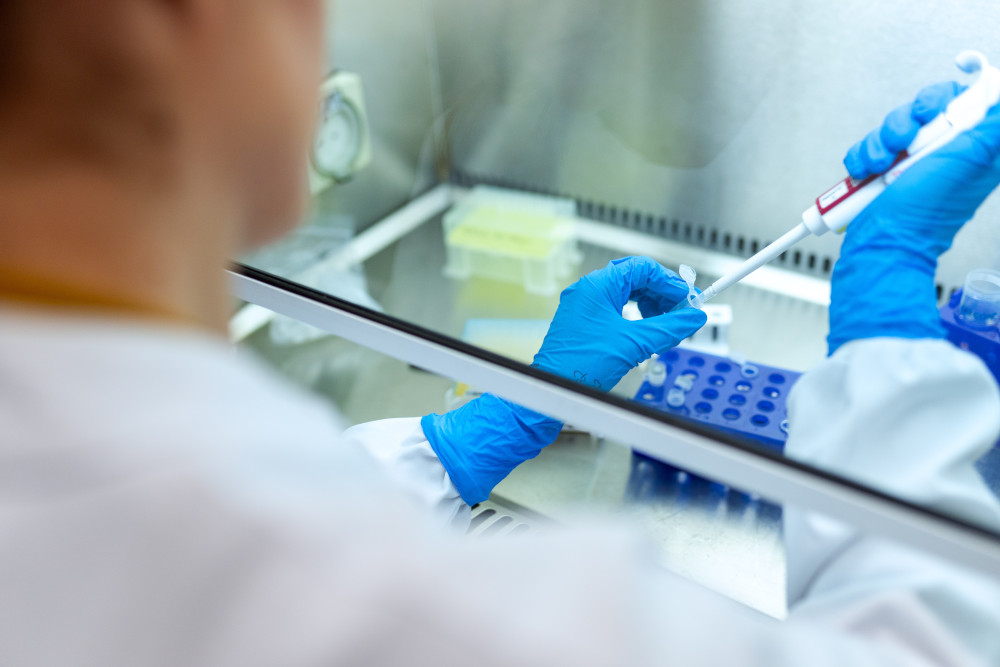
Photo by ThisisEngineering RAEng on Unsplash