Running as a lifestyle: run, smile, win!
What does running mean to you?
About 10 years ago I would have said that running is a type of physical activity that helps me stay in shape given my mostly sedentary lab work, builds endurance for mountain hikes and karate training. About 5 years ago my answer would be that running is the pleasure of a jog, interesting races, the possibility to compete and learn my limits. And today — for me, running is a tool that, depending on the task, can perform all the above functions :) In general, every run is special and reveals new facets of both running and of myself.

Nowadays there’s a very popular notion that "you can escape depression with your feet." Besides being a distraction, how does running affect our mood?
In fact, even a run of modest duration and not very high intensity promotes the production by brain cells of a whole cocktail of the molecular messengers of happiness. This includes dopamine, serotonin, endorphins, endocannabinoids... Each of them acts differently, influencing our motivation, sense of satisfaction, and a light euphoria. Moreover, running improves blood flow and oxygen delivery to all organs, including the brain. Add the benefits of enjoying nature (if you run in a park) or simply changing the environment and social interaction (if you train in a group), and you get a continuous positive impact on mood overall. It’s also been shown in many studies that runners are much more satisfied with life than their workplace colleagues.
And is it true that during long runs the body rids itself of some "harmful substances" or "harmful cells"?
- Running stimulates blood circulation to all organs and systems, which means waste products and harmful substances are eliminated much faster.
- The rhythmic movements of running primarily positively affect the intestines, giving them a kind of massage and improving their peristalsis. As a result, disorders, constipation, and indigestion disappear. In addition, running helps to eliminate stagnation in the gallbladder, normalizes the work of the stomach, pancreas, and liver.
- Studies show that low- to moderate-intensity running increases the body's defenses by boosting the production of various classes of immune cells, as well as protective proteins. This allows the immune system to fight foreign bacteria more effectively, as well as potentially transformed cancerous cells, and to get rid of them.
- Accordingly — regular training will not only help you get rid of various “harmful substances” faster, but also save significantly on doctors and pills. :)
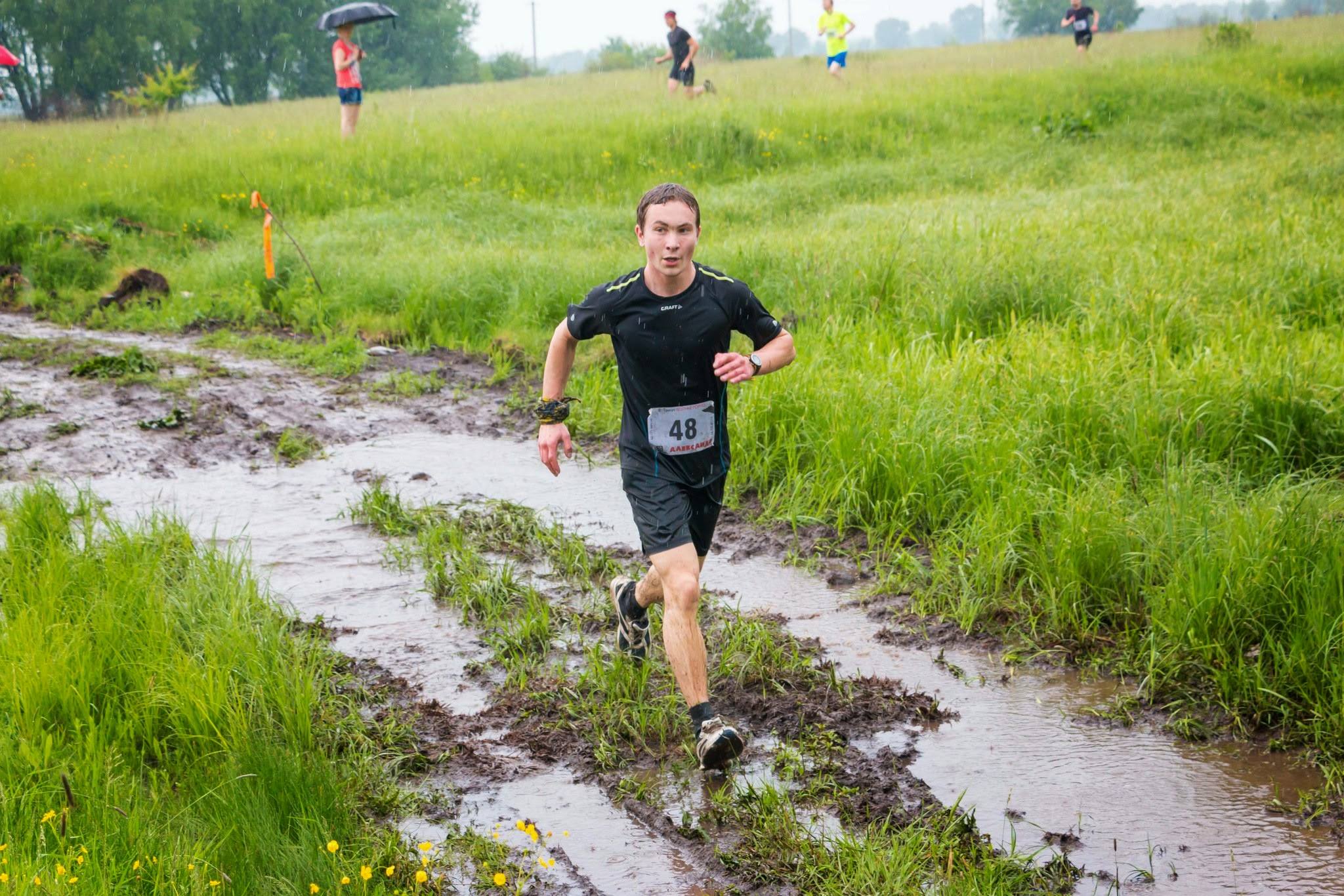
A sedentary lifestyle and the consumption of high-calorie refined foods show their impact, forcing many of us to move to larger clothes. How effective is running for weight loss?
Running stresses a large number of muscles — thus, it will contribute to burning additional calories besides those used by basal metabolism. Running in certain heart-rate zones will effectively mobilize fatty acids and burn fats. However, it’s important to understand that for weight loss the balance matters — not only how much you burn (by running or other activity), but also how much you consume. It’s like a debit/credit in a bank :) The expenses must be greater than the income. Then gradually the fat tissue will “go bankrupt” and have to leave the inhabited parts of the body.
And is it true that long easy跑 sessions can negatively affect the knees and spine health?
Partly. If a person has no training, and accordingly no proper running technique, in poorly chosen footwear, with a history of musculoskeletal issues, then starting to trot vigorously on asphalt or concrete tracks can indeed lead to injuries to the knees, feet, and spine. On the other hand, even someone with health problems who starts to jog gradually, preferably under the supervision of an experienced coach to avoid possible issues, and with proper gear, will likely forget most of their pains soon. Not because memory gets worse :) The point is that moderate load is necessary for proper functioning of our muscles, ligaments, joints. Precisely, dose-appropriate impact loads strengthen cartilage chondroprotectors (chondroitin and glucosamine), stimulate synovial fluid production in joints, and improve calcium absorption by bones. Therefore, it is important to approach this matter moderately, start small, listen to your body, and consult qualified specialists if necessary.

And yet, if you start to feel knee pain while running, what should you do?
There are many reasons why knees can ache. And it’s not necessarily due to a serious injury. Improper technique, unsuitable footwear, insufficient strengthening of leg muscles can cause the knee joint to bear more load than it can handle and respond with pain.
First of all, you should minimize factors like incorrect technique, footwear, or running surface. If this is the case, consider starting training with a coach who can help you lay down a proper running base and advise you where and how to run most effectively.
If pain appears regularly, it makes sense to visit an orthopedic trauma specialist, preferably a sports doctor. Through various tests, an experienced doctor can determine the cause and may recommend an MRI for clarification.
Self-treatment with cold compresses or painkillers may provide only temporary relief and does not guarantee recovery if the cause isn’t addressed. Therefore, always look for the underlying cause and work on eliminating it. An independent cause can be knee injuries. It’s worth noting that these are among the most common injuries in runners, so they should be carefully prevented and treated timely and professionally.
And how to choose the "right" footwear, does it really matter so much?
Two factors matter. On the one hand, regularly running and performing exercises to strengthen the feet means you don’t necessarily need special sneakers. On the other hand, given the current health status of many people (overweight, weak muscles and ligaments, flat feet, etc.), for many beginners it’s necessary to correct things at the initial stages, including choosing the right footwear. So, footwear can indeed be important in certain cases. But even more important are proper technique and foot, ligament strengthening. Then there is no constant need to seek some innovative sneakers that will save you from problems and improve results — that simply won’t happen. No matter how fashionable or stylish your sneakers are, you’ll conquer the marathon only with your active participation and adequate training ☺
Why can a side stitch occur, how dangerous is it, and what to do in such cases?
A side stitch can occur for many reasons. In the context of running, it is most often:
- Too intense a load
- Not deep enough breathing
- Too full a meal or not enough time after eating
- Disorders in the gastrointestinal tract
If the load increases too quickly, blood pooled in a resting state in the liver cannot flow out in time, causing the liver to swell and press on its connective tissue capsule, stimulating numerous nerve endings. This creates a pain signal in the right upper quadrant (hepatic colic). This is a fairly common phenomenon in healthy but undertrained people. If the pain is felt on the left side — then the spleen reacted to the rapid increase in blood volume.
Therefore, it is not recommended to train if there hasn’t been enough time after a meal for digestion. Usually, 2–3 hours if the meal wasn’t very large. After all, the body needs to increase blood flow to the stomach, liver, as well as the spleen and gallbladder for digestion. Therefore, the heavier the meal, the longer you should wait before running.
Regular onset of side stitches during training can signal the beginning of digestive tract disorders, such as hepatitis, pancreatitis, gallstone disease, etc. So with such symptoms you should consult a doctor.
About physiology: there’s a belief that running is physiologically non-optimal for women. Are there any grounds for thinking so?
There are no grounds for that. Men and women are both Homo sapiens who had to run a lot during evolution and history :) From hunting mammoths and various hoofed animals to escaping saber-toothed tigers and bears, for example. So running is physiologically normal for both men and women. But differences in anatomy and physiology between women and men should, of course, be considered in training.
About beauty: there’s also a belief that light jogging can provoke facial sagging in older women if you don’t “hold your face” — could this be true?
While running, the same gravitational forces act as in everyday life. Therefore, you shouldn’t worry that the skin will sag more than, say, while knitting or watching TV. On the contrary, running improves blood flow to the skin, so runners’ skin tends to be more elastic, firm, and healthy.
Should a person with large breasts pursue running, or is it better to choose other sports?
A large breast size certainly makes running more difficult but it is not contraindicated. There are many sportswear companies today offering special bras and tops to help women with large breasts engage in their favorite sports, including running.
Can you drink water or eat before a run?
It’s best not to eat right before a run. Allow at least 2–3 hours after the last meal. If you’re running in the morning, you can have a banana, a bar, or a bit of cookie to curb hunger without overloading the stomach.
Regarding hydration — drinking a little water before training isn’t harmful. Also, you should drink during the run (especially in warm weather) to compensate for fluid loss. The main thing is not to overdo it. Otherwise, the run will go from track to a trek from one bush to another :)
Is there a difference in when to run — in the morning or in the evening?
In general, you can run in the morning or evening; the body adapts to the schedule quickly. Regarding the most optimal time from a scientific perspective — scientists say for running it’s better in the morning, when cortisol, the stress hormone, is already high. That way it won’t rise further and potentially contribute to muscle breakdown. Also, in the morning there is less air pollution in the city, and the happiness molecules (dopamine, serotonin, endorphins) will make you more productive at work at least in the first half of the day. As for evening runs, they have their advantages too, such as relieving stress after a long day. However, the main thing is not to run right before bed; otherwise it’ll be hard to fall asleep. Evening runs should be at least 2 hours before sleep!
Should you run in winter and what should you pay attention to?
- Of course you should. If you are healthy, most workouts (recovery, long runs) can be done outside even at temperatures of -10 to -15°C. The key is to use appropriate winter-gear and not stay outside after a run. Intense workouts (intervals, fartlek) are better done indoors (treadmill, gym) or replaced with alternative activities such as skiing.
- If you are often sick or the temperature outside is too low — replace outdoor runs with treadmill running indoors, or other activities like cycling, swimming.

What are contraindications for running?
Absolute contraindications for running are not many. However, if you have certain illnesses or musculoskeletal problems, you should first consult a doctor. A specialist can advise whether running is suitable for you now or should be replaced, perhaps temporarily, with alternatives — cycling, swimming, walking, etc.
Running is definitely contraindicated in congenital heart defects, heart failure, varicose thrombophlebitis of the legs, acute infectious diseases, or serious musculoskeletal injuries. At the same time, running can be beneficial during relatively mild illnesses or early stages of some diseases. For example, in mitral valve prolapse, mild aortic or pulmonary valve stenosis, and in mild to moderate valve insufficiency, if overall physical activity is tolerated well, running can be performed with few restrictions. In the early stages of a cold, a light jog can stimulate the immune system, so in the absence of fever or cough symptoms you can go to training. In the early stages of varicose veins, running can improve circulation and reduce venous stasis in the lower limbs, potentially slowing the disease progression.
What would you advise for someone who has never tried running but wants to give it a go?
- Do not postpone trying to the “long box” :) Get out your sneakers and go for a run. Just remember to thoroughly warm up your joints and warm your muscles: torso bends, hip twists, knee joints, heel raises, etc. A proper warm-up is crucial to prevent many running injuries. Allocate at least 5–10 minutes before a run.
- Start at a slow pace and short distances. Alternate running with walking if needed. Depending on fitness and health, you can start with 5–10 minutes, gradually increasing time and distance.
- If you have or had health problems — consult a doctor to determine whether running is suitable for you now and in what amounts. Find a coach or a group of amateur runners who can share experience and help you avoid common beginner mistakes. Remember how you ran as a child. Running is natural, simple, and fun. Seek that feeling — and you’ll find yourself learning to run again :)
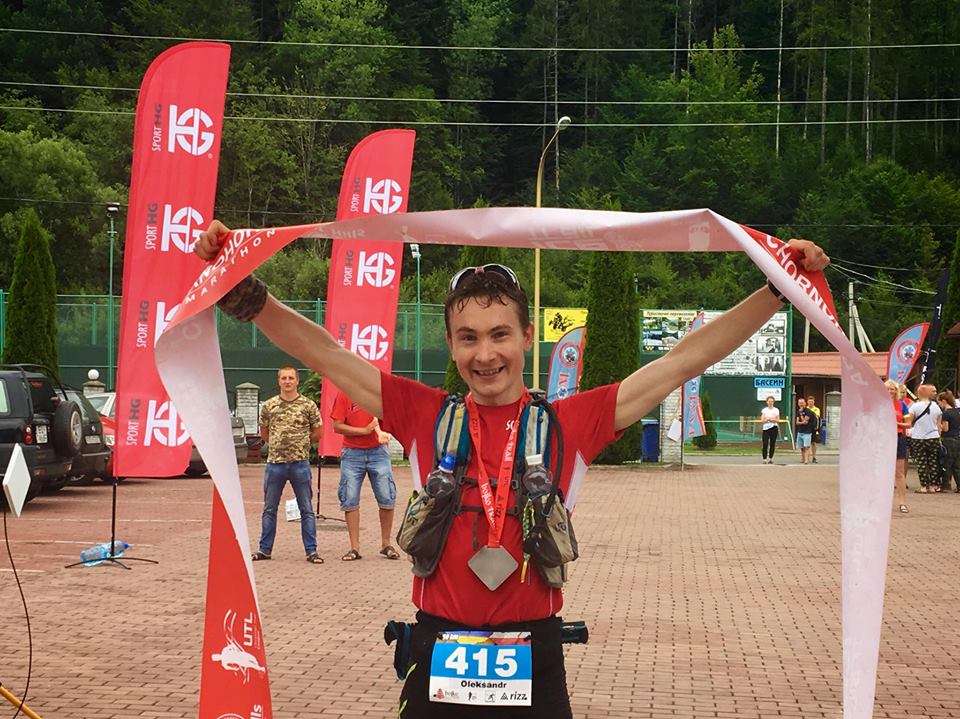
For more on running, jogging, marathons, ultramarathons, trail running, and other scary terms, you can read in detail in the "Trail" section of the hard Athletics portal, where Alexander is an editor, and in our guest’s personal blog as well — time2trail.in.ua
Stand up and run, and may there be plenty of happiness molecules synthesizing in you! :)